.png)
Performance meets aesthetics — and data.
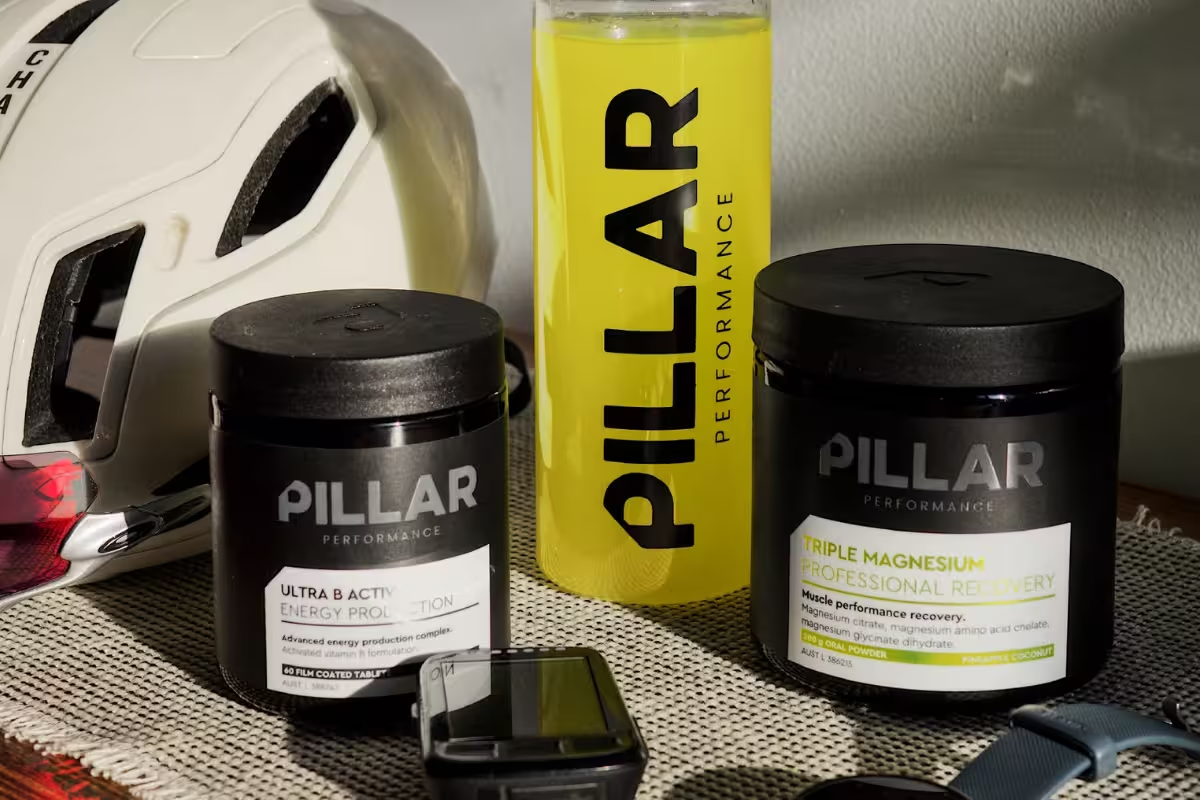
Australian performance brand PILLAR Performance has teamed up with Melbourne-born cycling label MAAP to launch a limited-edition Triple Magnesium – Professional Recovery Peach Iced Tea.
The collaboration blends sports-science credibility with design-forward cycling culture, delivering a recovery product built specifically for riders who take what happens after the ride as seriously as the ride itself.
The formula features three bioavailable forms of magnesium to support neuromuscular function and ease post-ride aches, cramps, and spasms — wrapped in a crisp, peach iced tea profile that actually feels earned.
Recovery is becoming experiential.
This collab reflects a broader shift in endurance and performance culture: athletes don’t just want products that work — they want products that fit their identity, routines, and lifestyle. MAAP brings the design language. PILLAR brings the science.
Together, they’re redefining what recovery nutrition looks like in modern sport.
The MAAP collab isn’t a one-off. PILLAR is quietly building one of the most data-driven performance ecosystems in sports nutrition.
Recently, the brand unveiled its Omega-3 Blood Test — a simple way for athletes to move from guessing to knowing.
The science behind it is led by Dr. Greg Peoples, a leading expert in exercise physiology with nearly two decades of research on omega-3s, 80+ published papers, and authorship of the AIS Omega-3 Fact Sheet.
This is where performance is heading.
Recovery products that look good, taste good, and are backed by real data. Brands like PILLAR aren’t just selling supplements — they’re building tools for athletes who want fewer guesses and better outcomes.
Design gets you in the door.
Data keeps you coming back.

.png)


.png)

_converted.avif)